
Sponsored article
In an age where energy reliability is crucial, solar energy emerges as a sustainable solution to bolster your home’s resilience against power outages. By harnessing the sun’s power, you can achieve energy independence and maintain essential functions during grid failures. This article explores how integrating solar technology can minimize disruptions and provide long-term benefits, ensuring your home remains powered when it matters most.
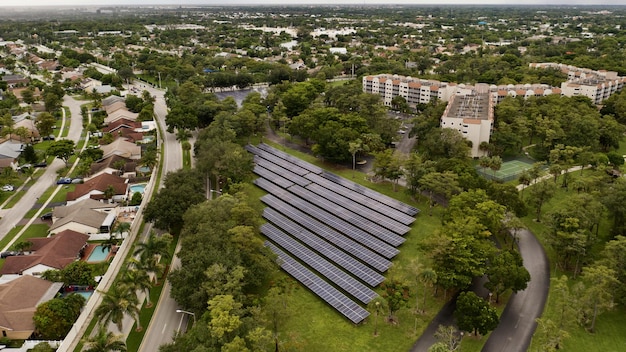
Solar energy systems are an innovative and sustainable way to harness the power of the sun and transform it into usable electricity for homes. At the heart of these systems are photovoltaic panels, which are designed to capture sunlight and convert it into direct current (DC) electricity. This electricity is then converted into alternating current (AC) through an inverter, making it suitable for household use. Key components of solar energy systems include the photovoltaic panels, inverters, mounting equipment, and energy storage systems, such as batteries that store excess power for use during cloudy days or power outages. Solar power is a renewable energy source, meaning it is abundant and can be replenished naturally, contrary to fossil fuels which are finite. This makes solar panel installation a smart choice for homeowners looking to increase their home’s resilience and reduce reliance on traditional power grids. For those interested in taking the first step toward energy independence, Mystic Solar offers expert solar panel installation services.
Battery storage plays a crucial role in enhancing energy resilience during power outages by ensuring your home’s continued access to electricity. Solar battery systems, an advanced energy storage solution, store excess energy generated by your solar panels during peak sunlight hours. This stored energy can be used when the grid is down, keeping your lights on and essential appliances running. The benefits of integrating a solar battery into your home energy system include:
Investing in a battery storage system not only boosts your home’s energy resilience but also increases sustainability, ensuring that you are prepared for unexpected power outages.
Adopting solar energy presents a multitude of financial benefits that can significantly enhance your home’s resilience to power outages. One of the primary advantages is the potential for substantial cost savings on energy bills. By harnessing the sun’s power, homeowners can reduce or even eliminate their reliance on traditional utility companies, leading to decreased monthly expenses. Furthermore, government solar incentives, like tax credits and rebates, are designed to make the transition to solar more affordable, providing immediate financial relief. Over time, the long-term financial benefits become apparent as solar systems have proven to be a reliable investment, increasing property value and offering protection against rising electricity prices. Moreover, as homeowners generate their own energy, they forge new paths towards energy independence, minimizing the impacts of power outages and ensuring a consistent, self-sufficient energy supply. Thus, solar adoption not only supports sustainable living but also fortifies the financial foundation of any household.